Discover Sète
Beaches · Canals · Culture · Food · Nature
Beaches · Canals · Culture · Food · Nature
The Venice of Languedoc
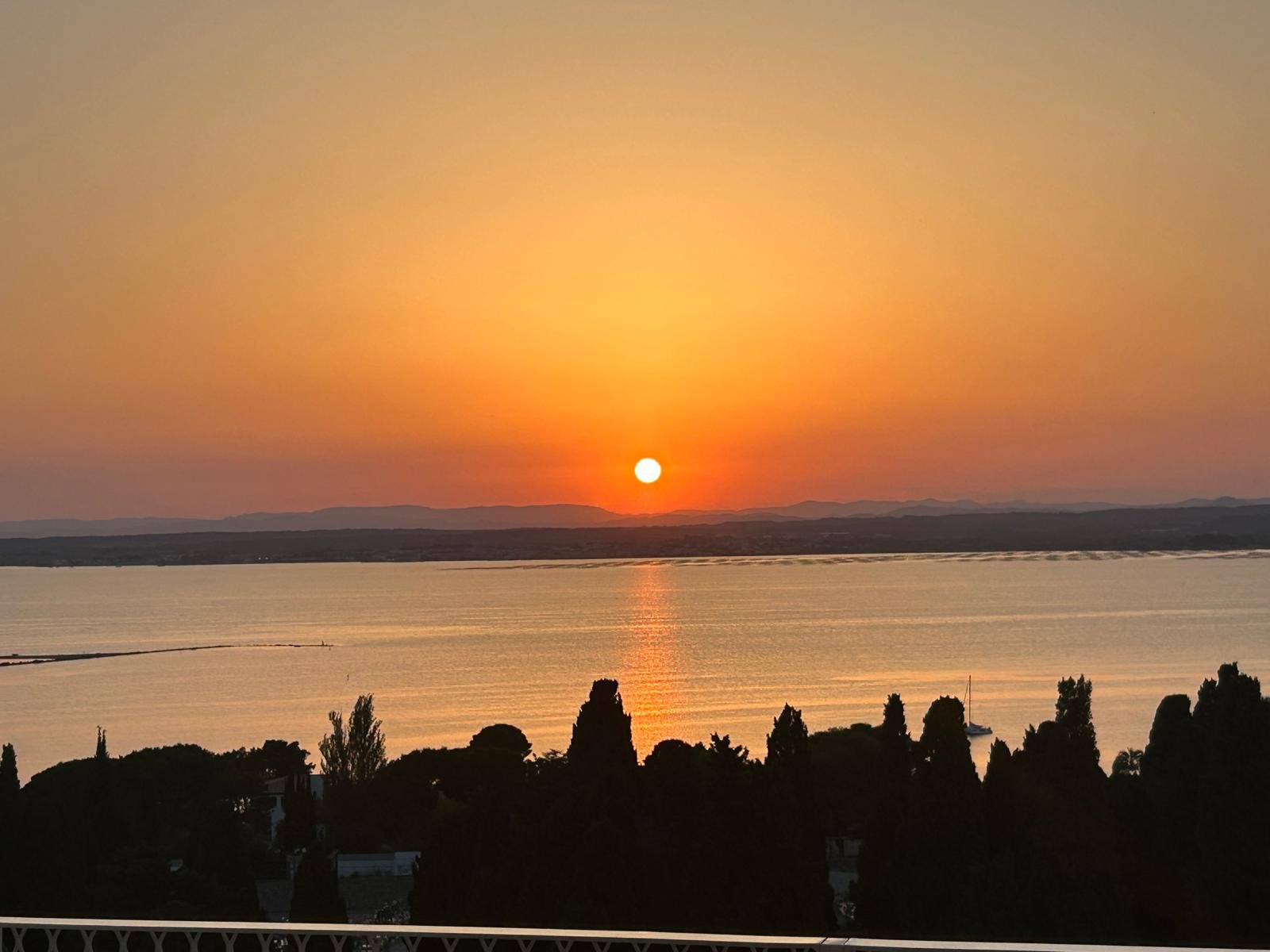
Sète is a narrow island of a city, wedged between the turquoise Mediterranean and the silver shimmer of the Étang de Thau. Its tangle of canals, colourful fishing boats, hilltop cemetery and ferociously proud food culture make it one of the most characterful towns in the south of France — and still largely undiscovered by the crowds.
Sun & sand
Sète's southern shore opens onto miles of fine sandy beach lapped by the warm Mediterranean. From lively beach bars to quiet stretches of dune, there's a spot for every mood.
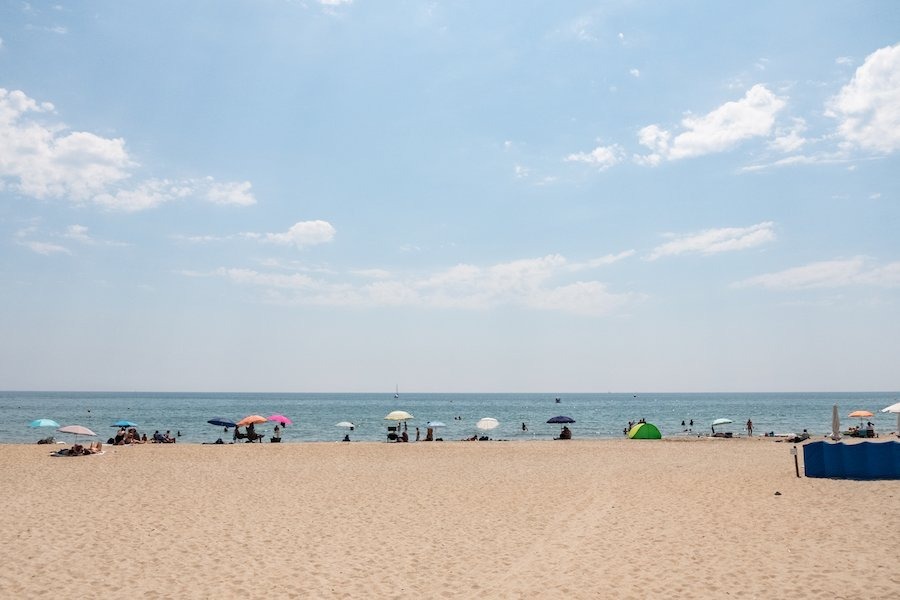
Photo: Ben Holbrook / driftwoodjournals.com
The closest beach to the apartment — 1.5 km away. A long sandy sweep with cafés, beach bars and calm, shallow water perfect for swimming.
Sète's most popular beach, just 7 minutes by bike. Wide, clean and well-served, it stretches for several kilometres toward the lighthouse.
At the quieter eastern end of the Lido, with fewer crowds and clear water — a favourite with locals.
Calm and sheltered, this small beach near the Étang de Thau is ideal for families with young children.
Art & history
Sète is the birthplace of poet Paul Valéry and singer-songwriter Georges Brassens. It has a deep artistic soul and a tradition of water jousting that is entirely its own.
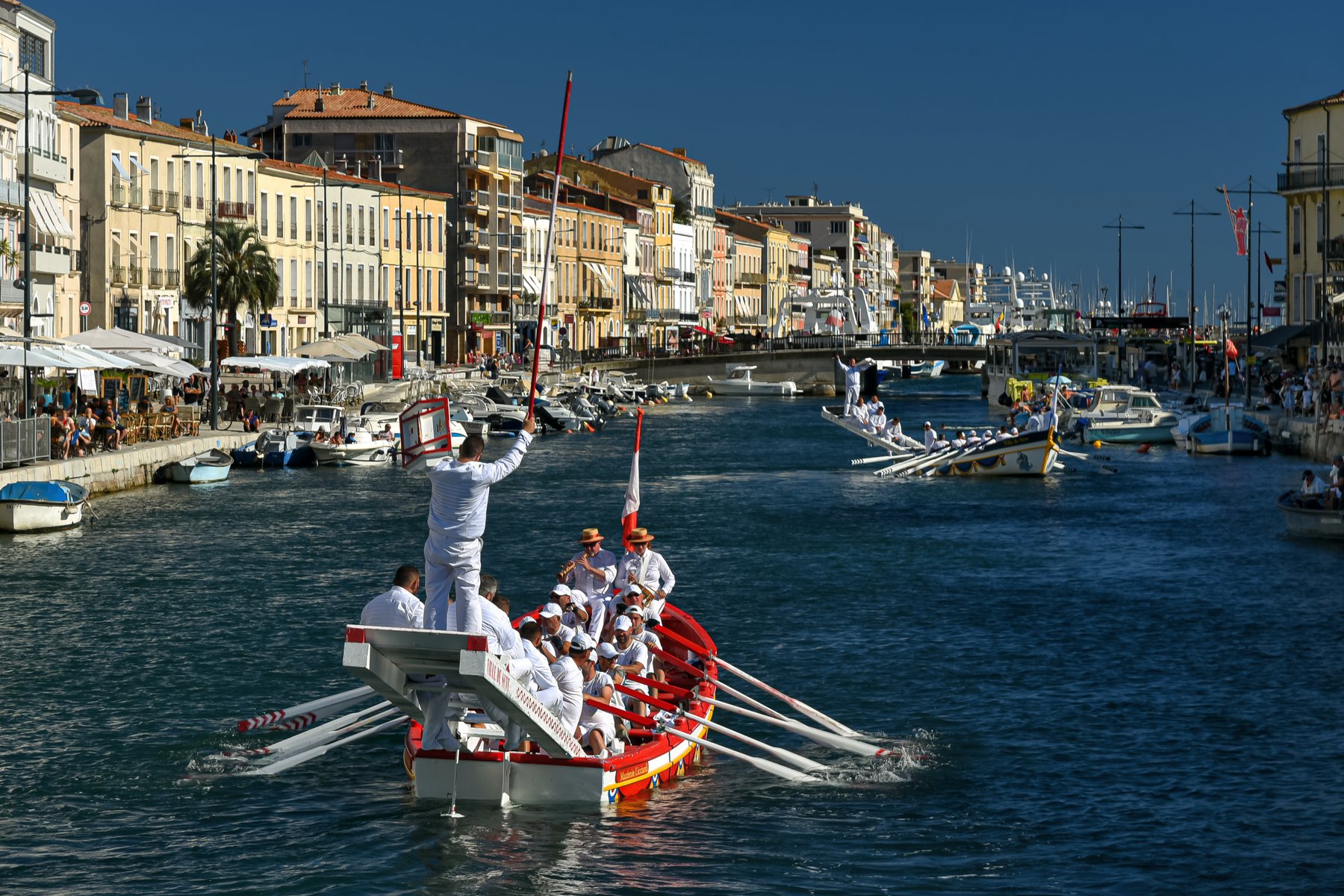
Photo: Jorge Franganillo / Wikimedia Commons (CC BY 2.0)
A wonderful museum set into the hillside above the Cimetière Marin, with permanent collections on Valéry, local painters and the history of Sète. The terrace views alone are worth the visit.
The iconic marine cemetery perched above the sea, where Paul Valéry is buried. The inspiration for his most famous poem — hauntingly beautiful and never crowded.
The Musée International des Arts Modestes, co-founded by artist Hervé Di Rosa. A joyful, irreverent collection of folk art, pop culture and outsider art spanning the whole world.
Sète's unique tradition: jousters balance on platforms at the stern of boats and try to knock each other into the canal. Tournaments run all summer — genuinely thrilling to watch.
Local flavours
Sète has a fiercely proud culinary identity. Its signature dish — the tielle, a spiced octopus pie — exists nowhere else on earth, and the seafood pulled from the lagoon and sea is exceptional.
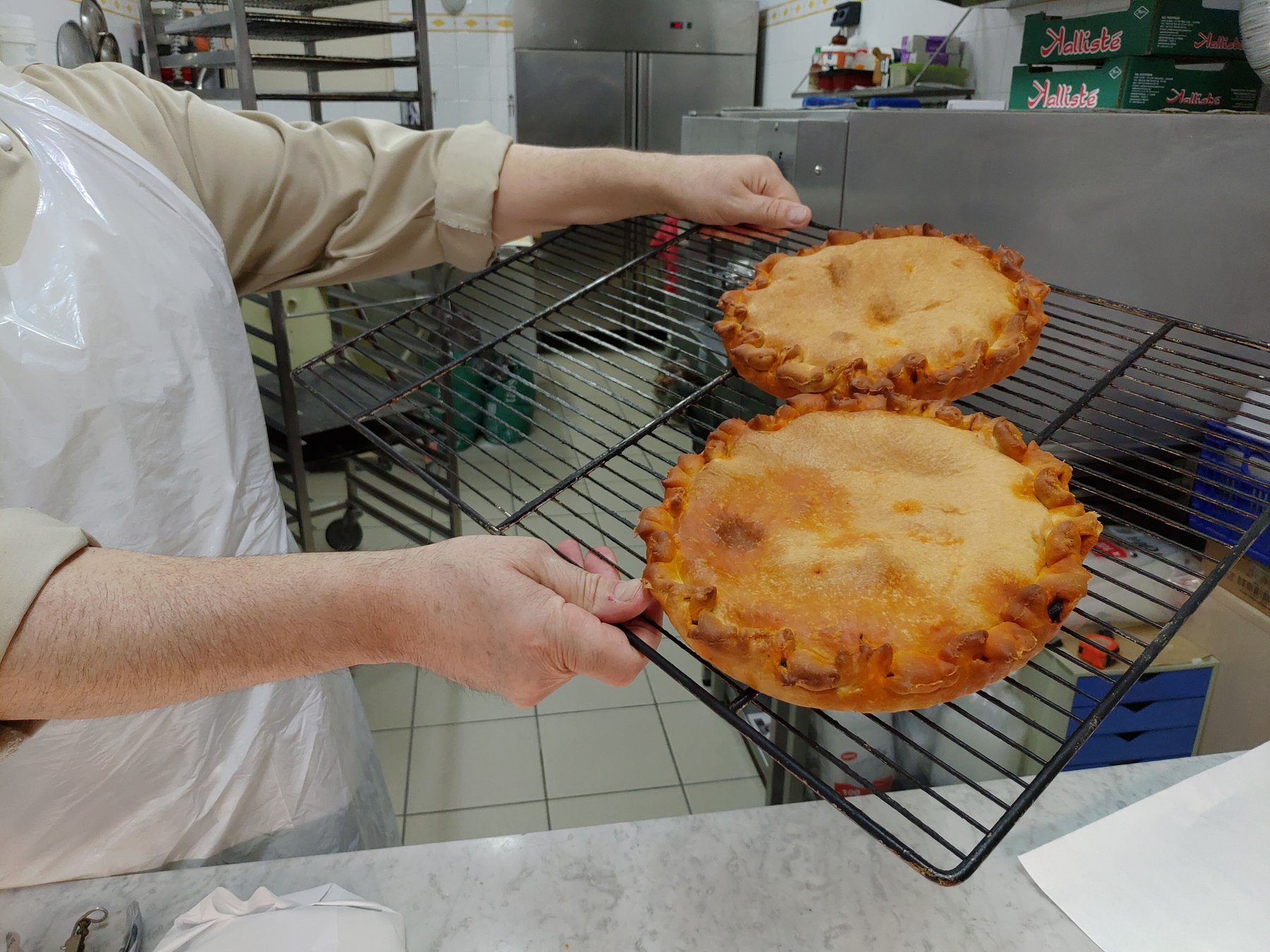
Photo: Assassas77 / Wikimedia Commons (CC BY-SA 4.0)
The essential Sète souvenir: a flaky, deep-orange pastry filled with octopus, tomato and spices. Pick one up warm from Bec Fin or Chez Françoise near the old port.
The Étang de Thau is one of France's finest oyster-farming lagoons. Drive 15 minutes to Bouzigues village and eat them fresh at a waterside table with a glass of Picpoul de Pinet.
Sète's Sunday comfort dish: a rich, slow-cooked meat sauce served over thick pasta, baked gratinée. Look for it on menus around the old port.
The early morning fish auction (La Criée) at the old port is a spectacle. Or simply shop the daily fish stalls and cook back at the apartment — the seafood is as fresh as it gets.
Open air
From the summit of Mont Saint-Clair, the panorama is breathtaking — cobalt sea on one side, a vast silver lagoon on the other, with Sète's canals threading below. The nature here is quiet, generous and almost completely unspoiled.
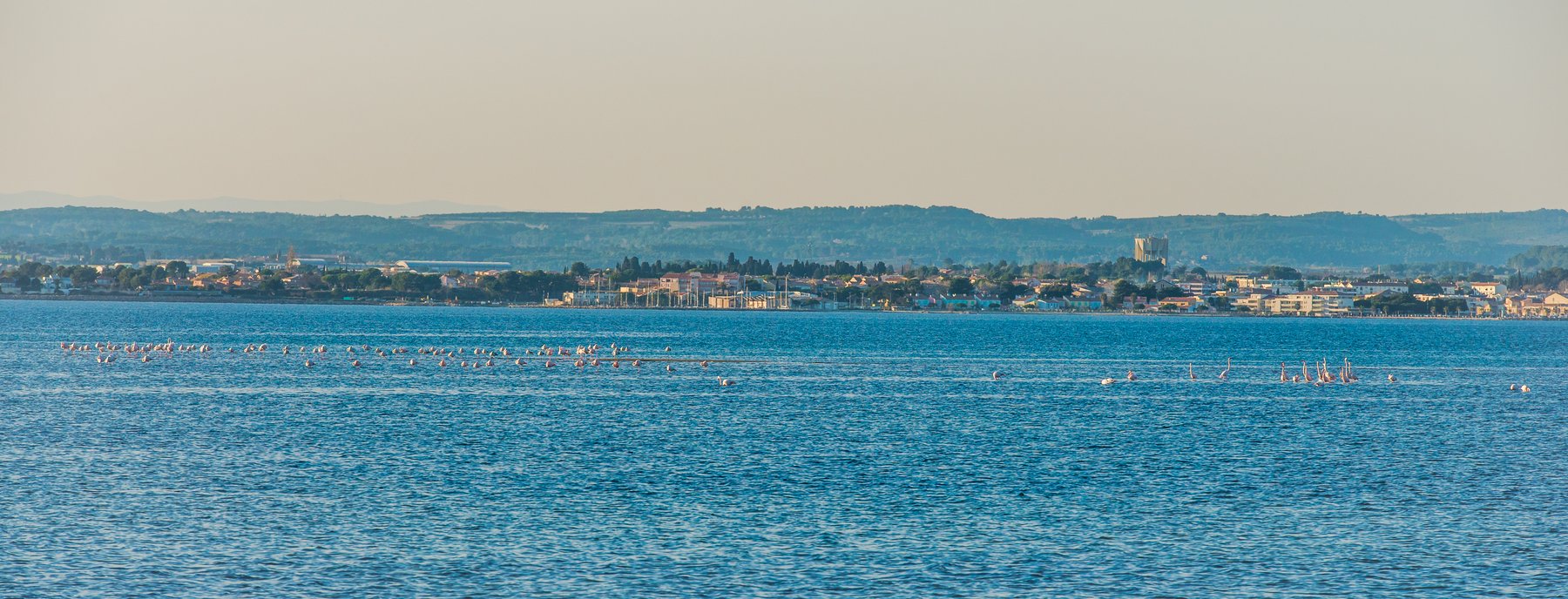
Photo: Christian Ferrer / Wikimedia Commons (CC BY-SA 3.0)
Hike or drive to Sète's highest point for 360° views across the city, sea and lagoon. The best sunset spot in town — bring a picnic and stay for the colours.
A vast coastal lagoon home to flamingos, egrets and kingfishers. Rent a kayak, take a boat tour among the oyster tables, or simply watch the light change over the water at dusk.
White limestone scrubland just 3 minutes' walk from the apartment. Easy walking trails wind through fragrant garrigue — a perfect morning stroll before the heat of the day.
Stroll along Sète's main canal, lined with colourful fishing boats, plane trees and terrace restaurants. In summer, this is where the jousting tournaments take place.
Further afield
Sète is perfectly placed for exploring the best of Languedoc-Roussillon. Medieval hilltowns, working vineyards, ancient ports and vibrant cities are all within easy reach by car.
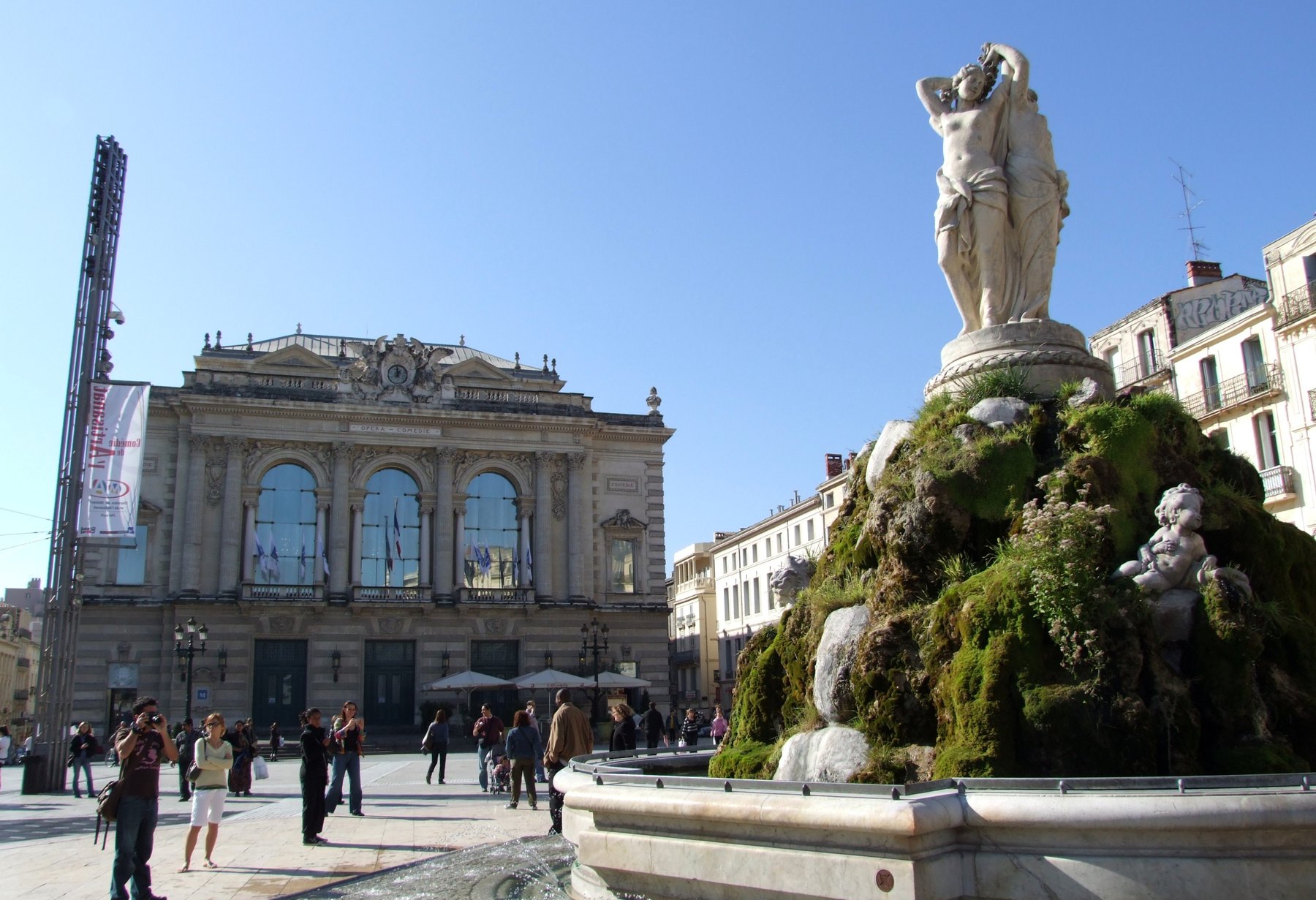
Photo: Christophe.Finot / Wikimedia Commons (CC BY-SA 2.5)
A tiny oyster village on the lagoon shore. Have lunch at one of the waterside shacks — oysters, mussels and white wine with your feet almost in the water.
A beautifully preserved medieval town with a strong craft and antique tradition. Wander the cobbled old quarter and seek out the local speciality: the petits pâtés de Pézenas.
The region's vibrant university city, with a spectacular historic centre, great museums, excellent restaurants and some of the best shopping in southern France.
A pretty port village on the lagoon, home to the Noilly Prat vermouth cellars. Take the tour, taste the original recipe, and stay for dinner on the harbour.
Plan your visit
Sète celebrates with singular intensity. From water jousting on the canal to world-class music festivals and the rich rhythms of the fishing calendar — here is when the city is at its most vivid.
Stay in the heart of it all — a penthouse duplex with views over the Étang de Thau.